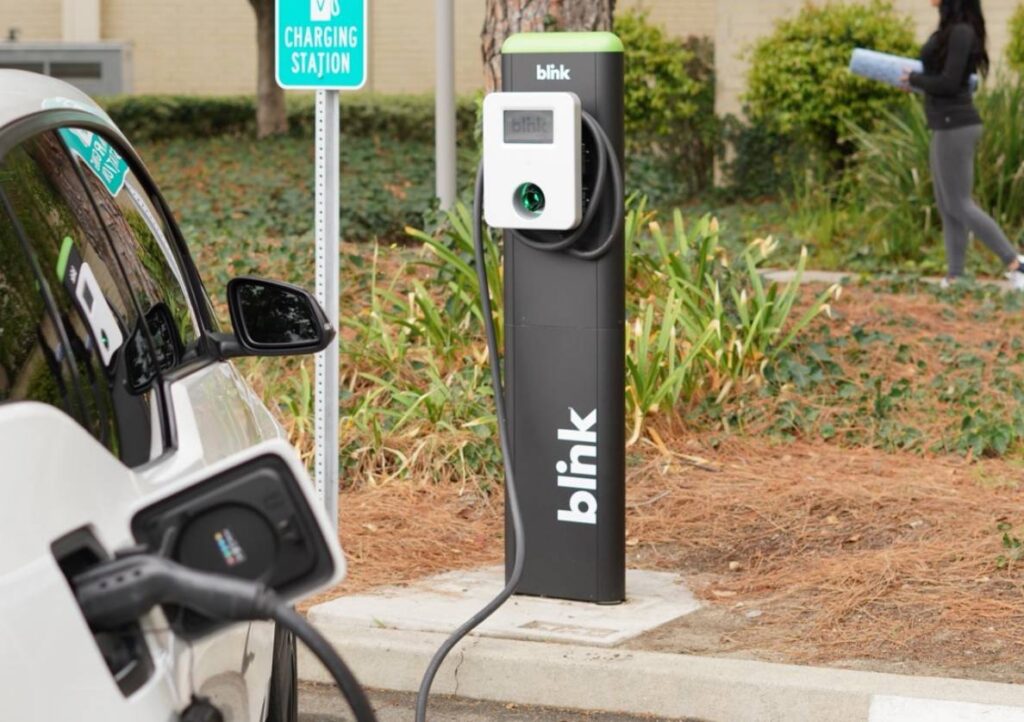

Long-distance travel in an electric vehicle requires careful planning, especially regarding charging speed, station availability, and battery management. Unlike short daily commutes, extended trips demand attention to stop timing and infrastructure reliability. High-powered solutions like the Blink 120 KW DC Fast Charger provide rapid energy replenishment, significantly reducing downtime. Understanding charging behaviors, battery optimization, and route planning allows EV owners to travel efficiently. Applying these strategies ensures a smoother journey, helps maintain predictable schedules, and provides confidence when navigating areas with fewer charging stations.
Charging Speeds on Long Trips
Charging speed depends on the vehicle’s battery, the type of charger, and environmental conditions. Level 2 chargers provide moderate charging and are ideal for overnight stops, but DC fast chargers are necessary for long trips to minimize downtime. Charging slows as batteries reach higher capacities, making it more efficient to charge in stages. Understanding the relationship between power output, battery health, and charging curves allows drivers to make informed choices. Proper awareness of charger type and power levels ensures faster stops and a more efficient overall travel experience.
Planning Routes Around Fast Charging Stations
Effective route planning is essential for long-distance EV travel. Drivers should identify reliable charging stations along their route and align stops with the vehicle’s range to avoid running low on power. Mapping stations in advance prevents detours and long waits, especially in areas with limited infrastructure. Modern navigation apps offer real-time availability and compatibility information, helping drivers select stations with the most reliable service. Strategic route planning reduces anxiety about finding a charger, ensures consistent energy management, and allows travelers to schedule meals, breaks, and rest periods efficiently.
Optimizing Battery State of Charge for Faster Charging
EV batteries accept higher power at lower charge levels, making partial charging more efficient. Arriving at a charging station with a battery around 20–30% allows faster energy intake. Drivers can optimize their state of charge by managing speed, energy consumption, and driving behavior. Terrain, acceleration, and accessory usage affect energy efficiency and charging needs. Avoiding full charges at every stop prevents slower top-end charging and protects long-term battery health. Applying these techniques allows travelers to maintain shorter charging sessions and smoother travel schedules across long distances.
Using Vehicle and Charger Technology Efficiently
Modern EVs and charging stations include features that enhance charging efficiency. Preconditioning the battery before arrival ensures optimal temperature for higher charging rates. Monitoring real-time charging data allows drivers to track efficiency and adjust stop duration. Ensuring compatibility between the vehicle and charger maximizes safe power levels. Using onboard navigation systems, dedicated apps, and manufacturer recommendations optimizes station selection. Leveraging technology reduces time spent at chargers, prevents inefficient stops, and allows drivers to focus on travel rather than monitoring energy.
Key Strategies to Charge Faster on Long EV Trips
EV owners can implement several practical strategies to minimize charging time during long trips:
- Prioritize DC fast charging stations
- Plan routes with high-power chargers
- Arrive with a lower battery state of charge
- Avoid charging to 100% at every stop
- Use navigation and charging apps for monitoring availability
These strategies allow drivers to maintain energy efficiency, reduce downtime, and ensure smoother travel. Following these practices keeps trips predictable and improves overall experience.
Timing Stops and Managing Charging Sessions
Short, frequent charging sessions often save time compared to long full charges. Drivers should plan stops to coincide with natural rest breaks, meals, or sightseeing opportunities. Monitoring battery levels and charging curves helps determine optimal charging duration. Avoiding excessive top-up sessions prevents slow final-stage charging. Efficient management of charging sessions balances travel time, safety, and convenience. Applying these techniques ensures drivers maintain momentum without overextending stops or risking range limitations. Proper planning of charging sessions enhances overall trip efficiency.
The Role of Infrastructure Reliability and Availability
Reliable infrastructure is critical for long-distance EV travel. Well-maintained chargers with consistent power output reduce downtime and improve schedule predictability. Stations with multiple chargers minimize wait times during peak travel periods. Availability information, network reliability, and station maintenance influence overall efficiency. Choosing stations with real-time monitoring and backup options ensures continuous travel flow. Understanding the importance of infrastructure reliability helps drivers select routes strategically, reducing anxiety about running low on battery or facing unexpected delays on extended trips.
Conclusion
Charging faster on long EV trips requires a combination of planning, technology use, and informed charging habits. Optimizing battery state of charge, selecting reliable fast chargers, and timing stops strategically reduces total downtime. Applying modern vehicle and charger technology further improves efficiency. As EV infrastructure continues to grow, long-distance travel will become increasingly practical, predictable, and convenient. Drivers who follow these strategies can confidently plan extended trips, enjoy reduced travel stress, and experience the benefits of faster, smarter EV charging.
FAQs
1. How much faster is DC fast charging compared to Level 2 charging?
DC fast chargers can provide 50–80% battery in 20–40 minutes, while Level 2 chargers may take several hours for a full charge.
2. Can charging to 100% damage my EV battery?
Frequent full charges may slightly reduce battery lifespan. Charging to around 80–90% for long trips is sufficient for most vehicles.
3. How do I plan long trips with fast charging stops?
Use EV navigation apps and charging network maps to locate reliable fast chargers and align stops with your vehicle’s range.
4. Does preconditioning the battery improve charging speed?
Yes, adjusting battery temperature before arrival allows it to accept higher power levels more efficiently.
5. Are all DC fast chargers compatible with every EV?
Most modern EVs support DC fast charging, but charging speed may vary depending on vehicle model and connector type.