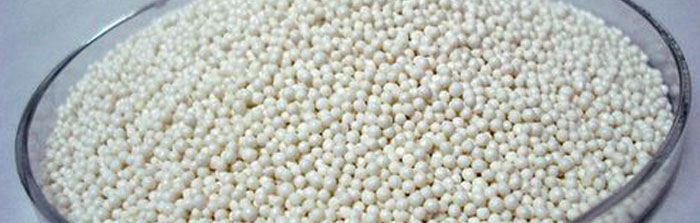

Gastrointestinal disorders such as acid reflux, heartburn, indigestion, and delayed gastric emptying affect millions of people worldwide. Modern pharmacotherapy often combines drugs with complementary mechanisms to improve symptom control and patient comfort. One such widely used combination is Omeprazole and Domperidone, often formulated as blend pellets for enhanced therapeutic effectiveness. This article explores how this combination works, why pellet-based formulations are used, and the benefits they offer in managing acid-related disorders.
What Is Omeprazole?
It works by blocking the proton pumps in the stomach lining responsible for secreting gastric acid. By significantly reducing acid production, omeprazole helps in:
- Healing gastric and duodenal ulcers
- Managing gastroesophageal reflux disease (GERD)
- Preventing acid-related damage to the esophagus
- Reducing symptoms like heartburn and acid regurgitation
Omeprazole is particularly effective in conditions where excess acid plays a central role. However, while it controls acid secretion, it does not directly address gastric motility issues, which can contribute to reflux and discomfort.
What Is Domperidone?
Domperidone is a prokinetic and antiemetic agent. It works by blocking dopamine receptors in the gastrointestinal tract, which enhances the movement of the stomach and intestines. Its primary benefits include:
- Improving gastric emptying
- Reducing nausea and vomiting
- Preventing reflux caused by delayed stomach emptying
By promoting coordinated gastrointestinal motility, domperidone helps reduce the backflow of stomach contents into the esophagus, complementing the acid-suppressing action of omeprazole.
Why Combine Omeprazole and Domperidone?
The combination of omeprazole and domperidone addresses both acid secretion and gastric motility, offering a more holistic approach to managing upper gastrointestinal disorders. While omeprazole reduces the acidity of gastric contents, domperidone ensures smoother movement of food through the digestive tract.
This dual action is particularly beneficial for patients with:
- GERD associated with bloating or fullness
- Functional dyspepsia
- Acid reflux with nausea
- Delayed gastric emptying
Using both agents together often leads to faster symptom relief and improved overall digestive comfort.
What Are Blend Pellets?
Blend pellets are small, free-flowing spherical particles designed for oral dosage forms such as capsules or sachets. In combination therapies, each drug can be formulated into pellets with specific release characteristics and then blended together in precise proportions.
For omeprazole and domperidone, pelletization offers several advantages:
- Protection of omeprazole from stomach acid, as it is acid-sensitive
- Uniform drug distribution, ensuring consistent dosing
- Controlled and targeted release of each component
- Improved stability and shelf life
Often, omeprazole pellets are enteric-coated so they release the drug in the intestine rather than the stomach, while domperidone pellets may be designed for immediate release.
Benefits of Pellet-Based Combination Formulations
Pellet-based systems provide significant advantages over conventional tablets:
- Enhanced Bioavailability
Pellets allow drugs to be absorbed more efficiently by releasing them at the optimal site in the gastrointestinal tract. - Reduced Side Effects
Controlled release helps avoid sudden spikes in drug concentration, minimizing gastrointestinal irritation and other adverse effects. - Flexible Dosing
Pellets can be easily adjusted for different strengths without changing the overall formulation. - Better Patient Compliance
Capsules containing pellets are easier to swallow and often better tolerated.
Clinical Applications
Omeprazole and domperidone blend pellets are commonly prescribed for:
- Gastroesophageal reflux disease (GERD)
- Peptic ulcer disease
- Acid-related dyspepsia
- Nausea associated with acid reflux
- Zollinger–Ellison syndrome (as part of broader therapy)
The combination is typically taken before meals to maximize effectiveness, though dosing schedules should always follow medical advice.
Safety and Considerations
While generally well tolerated, this combination should be used under medical supervision. Long-term use of proton pump inhibitors may be associated with nutrient absorption issues, and domperidone should be used cautiously in certain populations. Patients should inform healthcare providers about existing medical conditions and other medications.
Conclusion
Omeprazole and domperidone blend pellets represent a thoughtfully designed combination therapy for managing acid-related and motility-based gastrointestinal disorders. By combining acid suppression with improved gastric movement and utilizing advanced pellet technology, this formulation offers effective symptom relief, improved drug stability, and enhanced patient convenience. As gastrointestinal health continues to be a major focus in modern medicine, such combination pellet formulations play an important role in improving quality of life for many patients.
URL: For more information, visit Spansules Pharma : Omeprazole and Domperidone Blend pellets