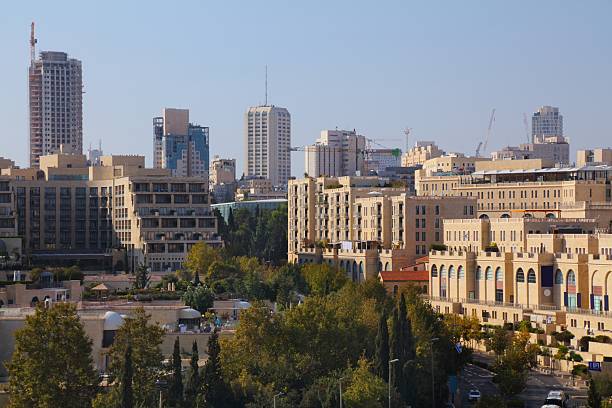

Investing in Jerusalem real estate is both exciting and challenging—especially for first-time property buyers. Jerusalem is a city where history, religion, culture, and modern living intersect, making its property market unique compared to other global cities. Whether you’re purchasing a home to live in, rent out, or hold as a long-term investment, understanding the local market is essential.
This guide breaks down Jerusalem real estate investment tips in a clear listicle format, helping first-time buyers make informed, confident decisions.
1. Understand Jerusalem’s Unique Property Market
Jerusalem’s real estate market differs significantly from Tel Aviv and other Israeli cities.
Key characteristics include:
-
High demand and limited land supply
-
Strong emotional and religious value attached to property
-
Consistent long-term price appreciation
-
Popularity among international and diaspora buyers
Unlike speculative markets, Jerusalem real estate tends to be stable and resilient, even during economic downturns.
2. Define Your Investment Goal Early
Before buying, be clear about why you’re investing.
Ask yourself:
-
Is this for personal living or rental income?
-
Are you looking for short-term rentals or long-term tenants?
-
Do you want capital appreciation or steady cash flow?
Your goal will influence:
-
Neighborhood choice
-
Property size and type
-
Budget allocation
First-time buyers often make mistakes by skipping this step—clarity saves time and money.

3. Choose the Right Neighborhood Carefully
Neighborhood selection is one of the most important factors in Jerusalem real estate investment.
Popular areas for first-time investors include:
-
Arnona – Quiet, family-friendly, and growing demand
-
Katamon – High rental appeal and strong resale value
-
Rehavia – Central location with premium pricing
-
Talbiya – Luxury properties and international buyers
-
Pisgat Ze’ev – More affordable entry-level options
Each neighborhood caters to different tenant profiles and budgets, so research carefully.
4. Set a Realistic Budget (Including Hidden Costs)
Many first-time buyers underestimate the total cost of purchasing property in Jerusalem.
Beyond the property price, consider:
-
Purchase tax (Mas Rechisha)
-
Legal and registration fees
-
Real estate agent commissions
-
Renovation or furnishing costs
-
Maintenance and HOA fees
A realistic budget helps avoid financial stress and unexpected surprises later.
5. Learn Israeli Property Laws and Regulations
Israel’s real estate legal system can be complex, especially for new buyers.
Important things to understand:
-
Ownership rights (Tabu registration)
-
Zoning and building permits
-
Property taxes (Arnona)
-
Inheritance and resale regulations
Hiring a qualified real estate lawyer is not optional—it’s essential for protecting your investment.
6. Work With Local Real Estate Experts
Jerusalem’s market is highly localized. Online listings alone won’t give you the full picture.
Benefits of working with local professionals:
-
Access to off-market deals
-
Accurate neighborhood pricing
-
Negotiation expertise
-
Guidance through legal procedures
Experienced agents can help first-time buyers avoid costly mistakes and overpriced properties.
7. Consider Rental Demand and Tenant Type
If your goal includes rental income, understanding tenant demand is critical.
Common tenant profiles in Jerusalem:
-
Students and young professionals
-
Religious families
-
Diplomats and foreign residents
-
Tourists (short-term rentals, where permitted)
Properties near universities, synagogues, public transport, and city centers usually perform best.
8. Think Long-Term, Not Short-Term Gains
Jerusalem real estate is best suited for long-term investment strategies.
Why long-term works:
-
Consistent demand over decades
-
Strong historical price growth
-
Cultural and emotional value supports stability
First-time buyers should avoid flipping strategies unless they have deep market knowledge.
9. Evaluate New Construction vs Resale Properties
Both new and resale properties have pros and cons.
New Construction:
-
Modern design and amenities
-
Lower maintenance initially
-
Potential tax benefits
Resale Properties:
-
Established neighborhoods
-
Often lower purchase prices
-
Immediate rental potential
Your decision should depend on budget, timeline, and investment goals.
10. Inspect the Property Thoroughly
Never skip a professional inspection, especially in older Jerusalem buildings.
Key areas to inspect:
-
Structural integrity
-
Plumbing and electrical systems
-
Roofing and insulation
-
Renovation history
An inspection can reveal hidden issues and strengthen your negotiation position.
11. Understand Financing and Mortgage Options
Israeli mortgage rules may differ from what first-time buyers expect.
Important considerations:
-
Loan-to-value (LTV) limits
-
Interest rate structures
-
Eligibility for residents vs non-residents
-
Currency risks for foreign buyers
Consulting a mortgage advisor can help you secure better terms and plan repayments wisely.
12. Plan for Property Management Early
If you don’t live in Jerusalem full-time, property management is essential.
Services typically include:
-
Tenant screening
-
Rent collection
-
Maintenance coordination
-
Legal compliance
Professional management protects your investment and reduces stress.
13. Monitor Market Trends and Timing
While timing the market perfectly is difficult, staying informed helps.
Watch for:
-
Government policy changes
-
Infrastructure projects
-
Neighborhood development plans
-
Interest rate movements
Buying in an emerging area can significantly boost long-term returns.
14. Avoid Emotional Buying Decisions
Jerusalem properties often trigger emotional responses due to the city’s significance.
Tips to stay objective:
-
Compare multiple properties
-
Stick to your budget
-
Focus on numbers, not just feelings
Emotion-led decisions are one of the biggest pitfalls for first-time buyers.
15. Have a Clear Exit Strategy
Even long-term investors should plan for the future.
Consider:
-
Resale demand in your chosen area
-
Liquidity of the property type
-
Tax implications on sale
A well-defined exit strategy ensures flexibility and financial security.
Frequently Asked Questions (FAQ)
Is Jerusalem a good city for first-time real estate investors?
Yes. Jerusalem offers long-term stability, strong demand, and consistent property appreciation, making it ideal for first-time investors with a long-term outlook.
How much money do I need to buy property in Jerusalem?
Prices vary by neighborhood, but first-time buyers should plan for property costs plus 8–12% in additional expenses, including taxes and fees.
Can foreigners buy property in Jerusalem?
Yes. Foreign nationals are allowed to purchase property in Israel, including Jerusalem, though financing options may differ.
Which neighborhoods are best for rental income?
Areas like Katamon, Arnona, Rehavia, and near universities or city centers tend to have strong rental demand.
Is it better to buy new or old property in Jerusalem?
Both have advantages. New properties offer modern amenities, while older ones often provide better locations and value.
What are the biggest risks for first-time buyers?
Common risks include poor neighborhood selection, underestimating costs, legal issues, and emotional buying decisions.
Final Thoughts
Jerusalem real estate investment can be a rewarding journey for first-time property buyers—financially, culturally, and emotionally. By understanding the market, setting clear goals, and working with experienced professionals, you can make confident decisions and build a strong foundation for long-term success.
With careful planning and the right strategy, investing in Jerusalem isn’t just about buying property at JHomes—it’s about securing a future in one of the world’s most timeless cities.