
Introduction
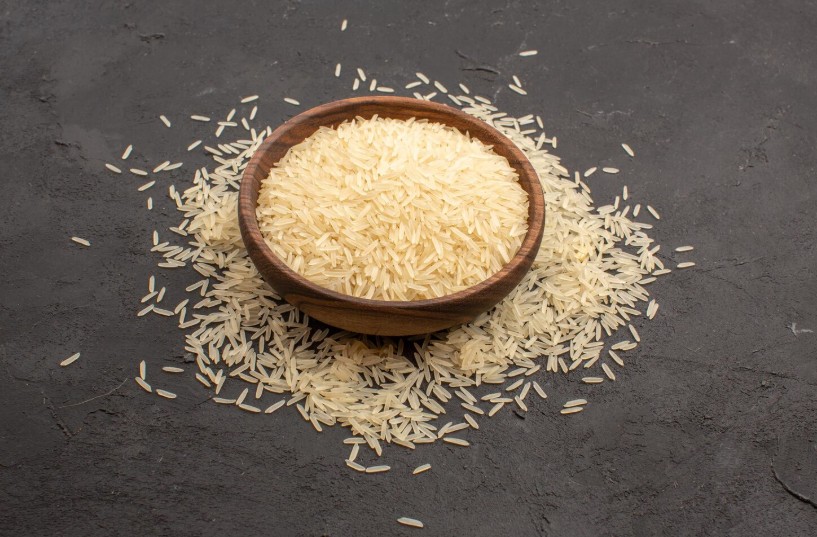
Rice is one of the most versatile and widely consumed staples in the world, forming the foundation of countless dishes across cultures. Among the many options available, Gautam Rice stands out for its premium quality, exceptional aroma, and consistency in every grain. Whether you are cooking a simple bowl of steamed rice or creating elaborate biryanis and pulaos, knowing how to handle and cook Gautam Rice can elevate your meals to restaurant-quality perfection. In this article, we will explore various cooking tips, preparation methods, and creative ideas to make the most of Gautam Rice in your kitchen.
Why Choose Gautam Rice?
Before diving into cooking tips, it is essential to understand why Gautam Rice is the preferred choice for many households:
-
High Quality and Purity: Gautam Rice is carefully processed to maintain its natural texture, aroma, and nutritional value.
-
Versatility: It is suitable for multiple cuisines, from traditional Indian recipes to international dishes.
-
Consistent Cooking Results: Each grain cooks evenly, resulting in fluffy, non-sticky rice that complements any meal.
-
Aromatic Flavor: Gautam Rice adds a subtle, pleasant aroma to dishes, enhancing the overall dining experience.
Essential Tips for Cooking Perfect Gautam Rice
Cooking rice perfectly requires attention to detail. Here are some practical tips to get the best results with Gautam Rice:
1. Rinse Thoroughly
Rinsing is a critical first step. Wash Gautam Rice under cold running water 2–3 times until the water runs clear. This helps remove excess starch, preventing the rice from becoming sticky.
2. Soak for Optimal Texture
Soaking the rice for 20–30 minutes before cooking can make a significant difference in texture. Soaking softens the grains, allowing them to expand fully during cooking and resulting in fluffier rice.
3. Use the Right Water-to-Rice Ratio
The water-to-rice ratio is crucial:
-
For long-grain Gautam Rice, use 1 cup rice to 1.5–2 cups water.
-
For medium-grain Gautam Rice, 1 cup rice to 2 cups water works best.
Adjust according to your preferred consistency. Less water produces firmer rice, while more water yields softer rice.
4. Cooking Methods
a) Stovetop Method
-
Boil water in a large pot.
-
Add a pinch of salt and a few drops of oil or ghee.
-
Add the rinsed and soaked Gautam Rice.
-
Cover and cook on low heat for 15–20 minutes.
-
Let it sit for 5 minutes before fluffing with a fork.
b) Rice Cooker Method
-
Add rinsed Gautam Rice and water to the rice cooker.
-
Set it to the standard cooking mode.
-
Once the cooker indicates done, let it rest for a few minutes before serving.
c) Steaming Method
Steaming is perfect for retaining nutrients and aroma:
-
Place soaked Gautam Rice in a steaming basket.
-
Steam for 20–25 minutes.
-
Fluff and serve.
5. Flavor Enhancements
To elevate the taste of your dishes:
-
Add a bay leaf, cloves, or cardamom pods during cooking for aromatic rice.
-
Cook with coconut milk instead of water for a creamy, rich flavor.
-
Use vegetable or chicken stock to enhance the natural taste of Gautam Rice.
Creative Ways to Use Gautam Rice
Gautam Rice is versatile and can be used in countless recipes:
1. Classic Steamed Rice
Simple, fluffy steamed rice is the perfect accompaniment to curries, dals, and stir-fries.
2. Flavored Rice
-
Lemon Rice: Add lemon juice, turmeric, and roasted peanuts for a tangy twist.
-
Coconut Rice: Cook Gautam Rice with coconut milk, curry leaves, and grated coconut for a South Indian specialty.
-
Tomato Rice: Sauté tomatoes, onions, and spices, then mix with cooked Gautam Rice for a tangy dish.
3. Biryani and Pulao
Gautam Rice is ideal for layered biryanis and aromatic pulaos. Its long, firm grains hold up well to spices and cooking liquids, creating restaurant-style results.
4. Rice Salads and Bowls
Combine Gautam Rice with fresh vegetables, legumes, and dressings for nutritious rice bowls and salads. Its firm texture ensures the rice doesn’t get mushy when mixed.
5. Desserts
Use Gautam Rice in sweet dishes like kheer or rice pudding. Its high-quality grains absorb milk and flavors beautifully, producing creamy, indulgent desserts.
Storage Tips for Gautam Rice
Proper storage ensures freshness and prevents spoilage:
-
Store in an airtight container to keep out moisture and pests.
-
Keep it in a cool, dry place away from direct sunlight.
-
For long-term storage, consider refrigerating or freezing to maintain quality.
Health Benefits of Gautam Rice
In addition to its culinary versatility, Gautam Rice offers several health benefits:
-
Rich in Carbohydrates: Provides energy for daily activities.
-
Low in Fat: Naturally low in fat and cholesterol-free.
-
Gluten-Free: Safe for individuals with gluten intolerance.
-
Easily Digestible: Gentle on the stomach and suitable for all ages.
Common Mistakes to Avoid
Even experienced cooks sometimes face challenges with rice. Avoid these common mistakes when cooking Gautam Rice:
-
Skipping rinsing: Leads to sticky rice.
-
Overcooking: Results in mushy, clumpy grains.
-
Incorrect water ratio: Can produce undercooked or soggy rice.
-
Not resting rice: Letting rice sit for a few minutes after cooking allows steam to redistribute and improves texture.
Conclusion
Cooking the perfect bowl of rice requires care, technique, and the right ingredients. Gautam Rice stands out as a premium choice that ensures consistently fluffy, aromatic, and flavorful results. By following the tips, methods, and creative recipe ideas outlined above, you can make the most of Gautam Rice in your daily meals, special occasions, and gourmet dishes alike. From simple steamed rice to rich biryanis and desserts, Gautam Rice delivers unmatched quality, taste, and satisfaction with every grain.
Basmati vs. Non-Basmati Rice: What’s the Difference and Which Should You Choose? Choose Gautam Rice for your kitchen and experience the difference in flavor, texture, and aroma – because great meals start with great rice.