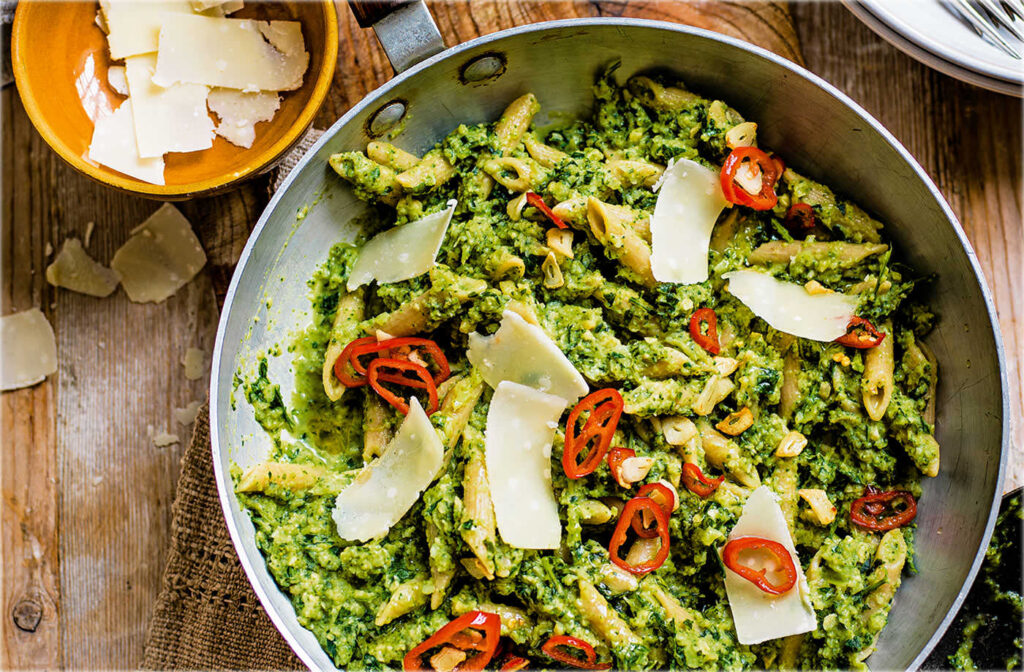

Eating well doesn’t mean eating less—it means eating smart. Low calorie meals are designed to deliver nutrients while keeping calorie intake in check, making them ideal for weight loss, better digestion, and sustained energy. With the right food choices and meal ideas, you can feel full and satisfied without consuming excess calories. Whether you’re cooking for dinner or planning meals ahead, low-calorie options can help you meet your health goals without feeling deprived.
In this article, you’ll find practical meal ideas, answers to common low-calorie questions, and tips to make weight-loss eating enjoyable and sustainable.
Why Low Calorie Meals Help With Weight Loss
Creating a calorie deficit—burning more calories than you consume—is a core principle of weight loss. However, simply eating “fewer calories” doesn’t guarantee success if meals lack nutrients or leave you hungry. That’s where low calorie meals shine: they focus on foods that are nutrient-dense and filling while being lower in total calories. A well-planned low-calorie meal can support your goals without sacrificing flavor or satisfaction.
When your meals include lean protein, fiber-rich vegetables, and whole grains, you stay full longer, reduce cravings, and maintain energy throughout the day.
What Food Is Filling But Low in Calories?
If you’ve ever wondered “What food is filling but low in calories?”, here are several excellent choices that satisfy hunger without packing in calories:
- Vegetables: Leafy greens, cucumbers, zucchini, tomatoes
- Water-rich fruits: Watermelon, berries, oranges
- Lean proteins: Chicken breast, turkey, fish
- Whole grains: Quinoa, brown rice (in moderate portions)
- Legumes: Lentils, chickpeas, black beans
- Soups and broths: Vegetable soups help you feel full with few calories
These foods contain fiber, water, and essential nutrients that slow digestion and promote fullness.
Low Calorie Meals That Work for Everyday Eating
Here are easy, wholesome meals that prove low calories can be satisfying and delicious:
Breakfast Options
- Greek yogurt with fresh berries and a sprinkle of seeds
- Oatmeal with slices of apples and cinnamon
- Smoothie made with spinach, banana, and almond milk
Lunch Ideas
- Mixed salad with grilled chicken and lemon-olive oil dressing
- Lentil soup with colorful veggies
- Quinoa bowl with roasted vegetables and chickpeas
Dinner Favorites
- Baked salmon with steamed broccoli
- Stir-fried tofu with snap peas and carrots
- Zucchini noodles with marinara and grilled shrimp
These meals incorporate proteins, fiber, and healthy fats to keep you energized and less likely to overeat.
What’s the Most Low-Calorie Meal?
When you’re trying to minimize calories but still want a hearty dish, the “most low-calorie meal” is typically one that includes a high vegetable content paired with lean protein. A good example is a large vegetable soup with lean protein. This type of meal has:
- High water content
- Lots of fiber
- Minimal added fats or sugars
- A low calorie count but high volume
Another contender for “most low-calorie meal” is a steamed vegetable plate with a small portion of lean protein, like steamed fish or chicken breast. These meals fill your plate and fill your stomach while keeping calories modest.
Healthy Dinner Ideas That Are Low-Calorie
Dinner can be both satisfying and low in calories when made with whole ingredients and balanced portions. Here are some what to eat for dinner low-calorie ideas that don’t compromise on taste:
- Grilled white fish with citrus and herbs: Light, flavorful, and lean
- Vegetable stir-fry with tofu: Use minimal oil and plenty of greens
- Turkey meatballs with zucchini noodles: Swap pasta for veggie noodles
- Chickpea salad with kale and lemon dressing: High in fiber and very filling
These dinners are perfect after a long day, keeping calorie intake reasonable while ensuring you get essential nutrients.
How to Keep Meals Low in Calories but Filling
To make your meals both low-calorie and filling, focus on these strategies:
Fill Half the Plate With Vegetables
Vegetables are high in fiber and water, which takes up space in your stomach and leads to fullness with fewer calories.
Include Lean Protein
Protein comes from chicken, fish, tofu, legumes, and eggs. It provides structure and satiety to your meals, making you feel satisfied longer.
Choose Whole Grains in Moderation
Brown rice, quinoa, bulgur, and barley add fiber without excessive calories when portioned well.
Avoid Empty Calories
Reduce sugary drinks, fried foods, and oversized portions of refined carbs to keep overall calories in check.
Low Calorie Recipes for Weight Loss You Can Try
Here are a few practical low calorie recipes for weight loss that are easy to prepare:
- Vegetable & Bean Soup
A warming, low-calorie meal loaded with fiber and nutrients. Use carrots, celery, tomatoes, and canned beans in a clear broth.
- Grilled Chicken With Asparagus
Lean protein and fiber-rich veggies make this a satisfying and low-cal dinner.
- Spinach and Mushroom Omelet
Eggs provide protein while spinach and mushrooms add volume and nutrients with very few calories.
- Greek Yogurt Parfait
Low-fat Greek yogurt with berries and chia seeds makes a low-cal breakfast or snack that keeps hunger in check.
These recipes are not only low in calories but include flavors and textures that keep meals enjoyable.
Tips to Stick With Low Calorie Meals
- Cook at home often: You control ingredients and portions.
- Prep ahead: Make large batches and portion meals for the week.
- Stay hydrated: Water helps with fullness and overall metabolism.
- Add spices and herbs: Flavor without added calories.
- Watch portions: Even healthy foods can be high in calories if eaten in excess.
These simple strategies make healthy eating realistic and sustainable.
Frequently Asked Questions
- What food is filling but low in calories?
Foods that are filling but low in calories include vegetables (like leafy greens and cucumbers), water-rich fruits (such as watermelon and berries), lean proteins (chicken, fish), and legumes (beans, lentils). These foods contain fiber and protein which boost satiety.
- What’s the most low-calorie meal?
The most low-calorie meals are usually high-volume, nutrient-dense vegetable meals with lean protein, such as a vegetable soup with chicken or a big salad topped with beans or grilled fish. These are satisfying while keeping calories low.
- What to eat for dinner low-calorie?
For a low-calorie dinner, choose lean proteins like grilled fish or chicken, pair them with steamed or roasted vegetables, and add small portions of whole grains or legumes. Stir-fries and vegetable bowls with tofu are also good options.
Final Thoughts
Low calorie meals are an effective and sustainable way to support weight loss and overall healthy living. With the right balance of lean protein, fiber-rich vegetables, and whole foods, you can enjoy satisfying meals that keep calories in check without feeling hungry. By choosing quality ingredients and planning ahead, low-calorie eating becomes a lifestyle that enhances your health and vitality.