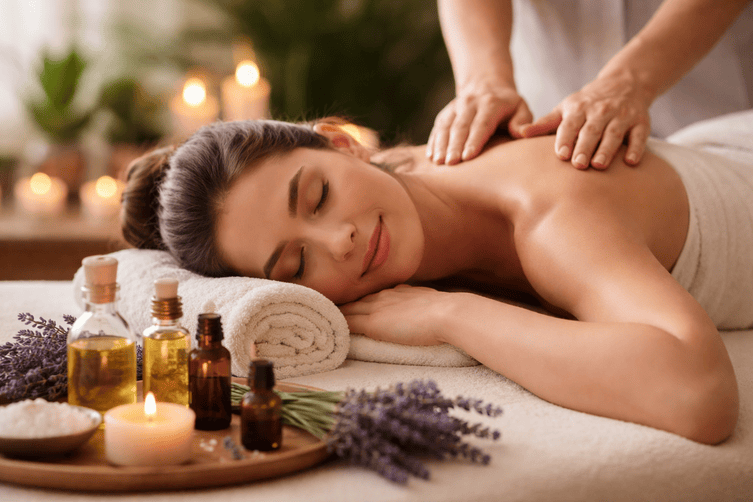

Massage is often spoken about as though it is a single approach, yet the reality is far more nuanced. Different styles exist for different purposes, and understanding those distinctions may help people make more informed choices about their wellbeing. One question that comes up frequently is what is aromatherapy massage, and how it differs from other common massage styles such as relaxation, therapeutic, or restorative massage. This article takes an educational look at those differences, focusing on clarity rather than promotion.
Why massage styles are often misunderstood
Many people book a massage based on availability or price without fully understanding what the session may involve. Terms like “relaxation,” “therapeutic,” and “aromatherapy” are often used interchangeably, even though they refer to different techniques and intentions. As interest in holistic wellbeing continues to grow, articles published on platforms that share general lifestyle and health information, such as the wellness-focused pieces often submitted through the PostsContent article platform, increasingly aim to unpack these differences in plain language.
Understanding how massage styles vary may help set realistic expectations and reduce confusion around what each approach is designed to support.
What is aromatherapy massage?
At its core, aromatherapy massage combines traditional massage techniques with the use of essential oils extracted from plants. When people ask what is aromatherapy massage, they are usually referring to a session where oils are selected for their scent and sensory qualities and applied during the massage process.
Unlike standard oil massage, aromatherapy massage places additional emphasis on how scent interacts with the nervous system. Essential oils are typically inhaled as well as absorbed through the skin, which may influence relaxation, mood, or overall sensory awareness. Sessions are generally gentle to moderate in pressure and are often associated with calm, slow movements.
For readers looking for a more detailed explanation of how essential oils are incorporated into sessions, this overview of Aromatherapy massage provides useful background information without focusing on treatment claims.
Aromatherapy massage compared with relaxation massage
Relaxation massage is one of the most commonly booked styles, particularly for people new to massage. Its primary goal is to encourage physical and mental ease through smooth, flowing strokes and consistent pressure. Oils or lotions are used mainly to reduce friction rather than for their scent or sensory properties.
Aromatherapy massage shares some similarities with relaxation massage, particularly in its slower pace and calming environment. The key difference lies in the intentional use of essential oils. While relaxation massage focuses primarily on touch, aromatherapy massage integrates scent as part of the overall experience. This distinction is often discussed in broader self-care and lifestyle articles, including general wellness submissions commonly found within the health-related posts published via platforms like PostsContent.
Those interested in broader discussions around relaxation techniques and lifestyle balance may find related reading in general wellness articles hosted on the PostsContent publishing platform at
https://www.postscontent.com/post-new-article/
How aromatherapy massage differs from therapeutic massage
Therapeutic massage is usually more structured and outcome-focused. It often involves targeted techniques, firmer pressure, and specific areas of attention. While therapeutic massage may be used alongside healthcare plans, it is typically framed around addressing particular physical concerns rather than promoting general relaxation.
In contrast, aromatherapy massage tends to prioritize sensory experience over targeted physical work. Pressure is usually lighter, and the session may feel less clinical in nature. The oils selected are often chosen for their aroma rather than for addressing specific physical conditions.
This distinction is important for readers who may assume that aromatherapy massage is simply a softer version of therapeutic massage. In reality, the intent and structure of each style differ, even though both involve hands-on techniques.
Where restorative massage fits in
Restorative massage is a broader term that may encompass several gentle massage approaches designed to support rest and recovery. It is often associated with slower movements, supportive positioning, and an emphasis on comfort. Aromatherapy massage may sit comfortably within this category, as both approaches aim to create a calming environment.
However, restorative massage does not always include essential oils. Some sessions focus solely on touch, breath awareness, or body positioning. Aromatherapy massage stands out by intentionally engaging the sense of smell alongside physical contact, which may appeal to people who value multi-sensory relaxation.
Articles that explore holistic wellbeing practices, including restorative approaches, are common within lifestyle-focused content collections such as those curated through PostsContent. Readers exploring these themes may encounter a wide range of perspectives on how different practices complement one another.
Choosing a massage style based on personal preference
Deciding between massage styles often comes down to individual preference rather than one approach being better than another. Some people may prefer the simplicity of relaxation massage, while others are drawn to the sensory elements of aromatherapy massage. Those seeking more structured physical work may gravitate towards therapeutic massage instead.
Understanding what is aromatherapy massage in relation to other styles may help people communicate their preferences more clearly. Asking questions about pressure, oil use, and session structure before booking may reduce uncertainty and improve overall satisfaction.
General guidance articles about self-care choices, often shared through article submission platforms like PostsContent, frequently encourage readers to reflect on their own needs rather than follow trends or assumptions. This approach aligns with a more informed and balanced view of wellbeing.
Common misconceptions about aromatherapy massage
One common misconception is that aromatherapy massage is “just about smell.” While scent plays an important role, the massage techniques themselves are equally significant. Another assumption is that aromatherapy massage is interchangeable with relaxation massage, when in fact the intentional use of essential oils creates a distinct experience.
There is also a tendency to associate aromatherapy massage with specific outcomes. In reality, sessions are often framed around relaxation and sensory engagement rather than guaranteed results. Recognizing these nuances may help readers approach aromatherapy massage with clearer expectations.
Discussions around misconceptions and myths are a frequent feature in educational lifestyle content, including many of the explanatory articles shared via https://www.postscontent.com/post-new-article/, where contributors aim to clarify commonly misunderstood topics.
Understanding massage styles supports better choices
Learning about different massage styles helps demystify a practice that is often oversimplified. By understanding what is aromatherapy massage and how it differs from relaxation, therapeutic, and restorative approaches, readers may feel more confident exploring options that align with their preferences.
Rather than viewing massage as a single service, it may be more helpful to see it as a collection of approaches, each with its own focus and intention. This perspective supports more informed conversations and encourages thoughtful decision-making.