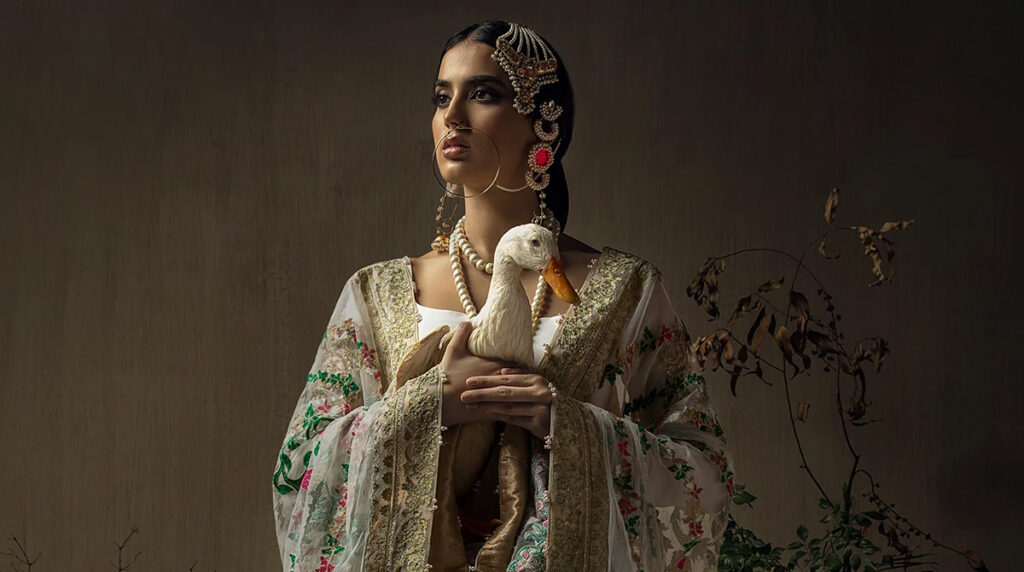

The fashion landscape has transformed dramatically over the past decade. Where custom tailoring once dominated the high-end market, ready-to-wear luxury has carved out its own prestigious space. For those stepping into the world of designer fashion, understanding what makes a luxury pret collection distinct from both haute couture and mass-market clothing can reshape how you build a meaningful wardrobe.
What Defines a Luxury Pret Collection
Luxury Pret, short for prêt-à-porter, French for “ready to wear” occupies the sweet spot between accessibility and exclusivity. Unlike haute couture, which requires multiple fittings and months of handwork, luxury pret offers designer-quality pieces you can purchase and wear immediately.
The distinction lies in three key areas: craftsmanship, materials, and production scale. These collections use premium fabrics like silk charmeuse, Italian wool, and hand-embroidered textiles. The construction involves techniques you won’t find in fast fashion French seams, hand-finished hems, and pattern-matching that requires significant fabric waste to achieve perfection.
Production runs stay intentionally limited. Where a mainstream brand might produce 50,000 units of a single style, a luxury pret piece might see only 200 to 500 units worldwide. This scarcity isn’t artificial; it reflects the time-intensive nature of quality production.
How Luxury Pret Differs from High-Street Fashion
The gap between luxury pret and high-street fashion extends beyond price tags. Understanding these differences helps you assess value when investing in designer pieces.
Construction Quality
Examine the interior of a luxury pret garment and you’ll notice clean finishing throughout no exposed seams or rough edges. Buttonholes are precisely stitched, often by hand. Linings move independently from outer fabrics, preventing pulling and extending the garment’s life. Zippers come from specialized manufacturers like Riri or Lampo, designed to function smoothly for years.
High-street pieces, constrained by lower price points, use shortcuts. Seams may be serged rather than properly finished. Synthetic linings save costs but can deteriorate quickly. These choices create garments that look acceptable initially but show wear within months.
Fabric Selection
Luxury pret designers source textiles from historic mills in Italy, France, and Japan. A silk blouse might use fabric from Como, where silk-weaving traditions span centuries. Cashmere comes from specific regions in Mongolia and Kashmir, graded for fiber length and fineness.
This sourcing creates tangible differences. Luxury pret fabrics drape better, hold color longer, and feel noticeably different against skin. A merino wool sweater from a luxury collection won’t pill the way a synthetic blend will, maintaining its appearance through seasons of wear.
Design Philosophy
Luxury pret collections follow a different creative timeline. Designers work 12 to 18 months ahead, developing cohesive seasonal narratives rather than chasing viral trends. This approach yields pieces that remain relevant beyond a single season.
The design process itself differs. Where fast fashion relies on algorithmic trend prediction and rapid sampling, luxury pret involves extensive draping, multiple prototype iterations, and wear-testing. A single jacket might go through eight sample versions before production.
Building a Luxury Pret Wardrobe Strategically
Approaching luxury pret purchases requires different thinking than conventional shopping. These investments demand careful consideration.
Start with foundation pieces that offer versatility. A well-cut blazer, tailored trousers, and a quality white shirt form the backbone of countless combinations. Look for neutral tones in your first luxury pret purchases navy, black, camel, and gray work across seasons and settings.
Consider cost-per-wear rather than initial price. A $800 coat worn 100 times over five years costs $8 per wear. A $100 coat replaced annually after 30 wears costs $3.33 per wear but totals $500 over five years with inferior quality.
Pay attention to care requirements. Luxury pret often demands dry cleaning or hand washing, adding to ownership costs. Factor these expenses into your decision-making. Some pieces justify the maintenance; others might not fit your lifestyle.
Spotting Quality in Luxury Pret Collections
Developing an eye for quality takes practice, but certain markers reliably indicate superior construction.
Check pattern matching at seams, especially in prints or stripes. Quality pieces align patterns precisely, even at complex intersections like shoulder seams or pocket placements. This requires extra fabric and skilled cutting.
Examine buttons and hardware. Luxury pret uses substantial buttons, often horn, corozo nut, or quality metal attached with reinforced shanks rather than sewn flat to the fabric. Zippers should bear maker’s marks and operate smoothly without catching.
Feel the fabric weight and hand. Quality materials have substance not necessarily heavy, but with body and structure. Cheap fabrics feel insubstantial or overly stiff from chemical treatments.
Making Luxury Pret Work for Real Life
The final consideration is wearability. Luxury pret should enhance your life, not complicate it.
Build relationships with alterations specialists who understand luxury garments. Even ready-to-wear benefits from adjustments shortened sleeves, taken-in waists, or adjusted hem lengths transform good fit into perfect fit.
Store pieces properly. Invest in quality hangers that support garment shoulders without stretching. Use garment bags for delicate pieces. This care extends the life of your investments significantly.
Mix luxury pret with other wardrobe levels. Pairing a luxury blazer with well-fitting denim creates a balanced, approachable style. Not every piece needs to come from a luxury collection; strategic investments in key items elevate your entire wardrobe.
Moving Forward with Confidence
Understanding luxury pret collections means recognizing that fashion investment differs from fashion consumption. These pieces serve as long-term wardrobe foundations rather than disposable trends. The initial cost barrier makes sense when you consider the years of wear, timeless design, and superior materials you’re acquiring.
Start small. Choose one or two pieces per year that fill genuine gaps in your wardrobe. Learn from each purchase what works for your body, your lifestyle, your aesthetic. Over time, you’ll develop both a collection of quality pieces and the knowledge to make increasingly informed choices. The goal isn’t accumulation but curation, building a wardrobe that serves you well for years to come.