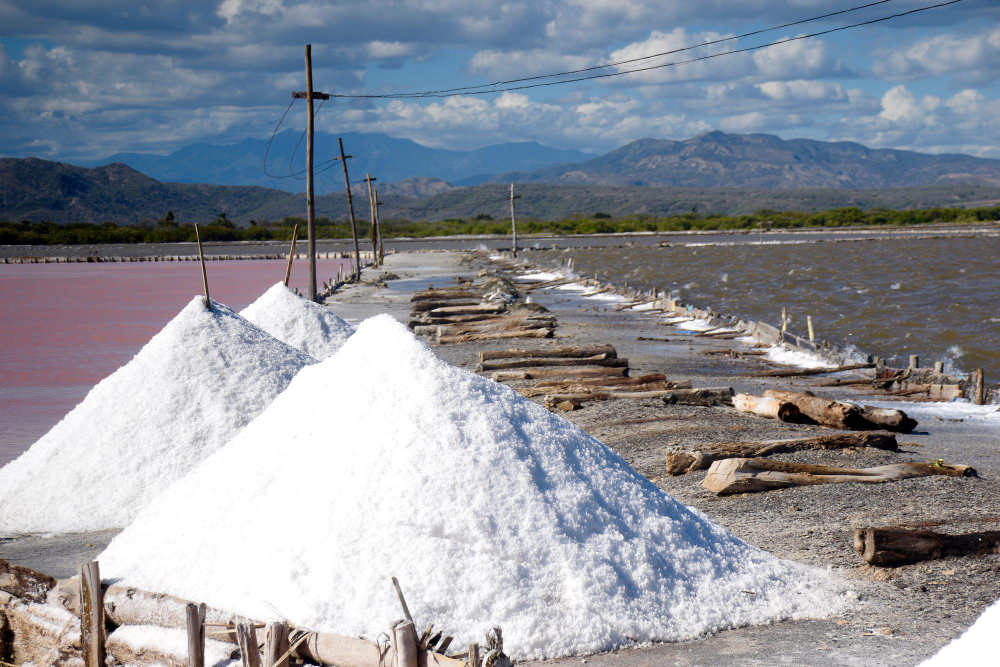

India has long been known for its rich heritage of natural resources, and salt is among the most overlooked yet strategically important sectors. Today, India is one of the world’s largest producers of salt — and at the heart of this success lies the state of Gujarat. With its expansive coastline, favourable climatic conditions, and strong industrial infrastructure, Gujarat has cemented its position as the leading hub of salt manufacturing, contributing to the majority share of the country’s production. As demand for high-quality salt rises globally, the role of salt manufacturers in Gujarat becomes even more crucial in supporting and shaping the future of salt manufacturers in India.
The Dominance of Gujarat in the Indian Salt Industry
Gujarat produces nearly three-quarters of India’s total salt output, thanks to its 1,600+ km coastline along the Arabian Sea and its favourable salt-harvesting terrain. Regions such as Kutch, Bhavnagar, Porbandar, Surendranagar, and Jamnagar have evolved into salt-production powerhouses supported by both natural and industrial advantages.
Most leading salt manufacturers in Gujarat operate highly integrated salt fields and mineral-rich brine systems, allowing them to harvest and process salt efficiently. The climate — with extended dry months, low rainfall, and high soil salinity — also provides ideal conditions for evaporation-based salt production. It is no exaggeration to say that the contribution of Gujarat directly shapes the performance and reputation of salt manufacturers in India on the national and international stage.
Infrastructure and Port Advantage: The Competitive Edge
Apart from natural benefits, Gujarat’s industrial infrastructure strengthens its dominance in salt production. The presence of major ports such as Mundra, Kandla, Pipavav, and Hazira provides seamless domestic and international shipping routes. This is one of the biggest reasons companies engaging in salt export from India prefer Gujarat-based suppliers — transportation costs are lower, turnaround time is quicker, and logistics networks are more reliable.
Road and rail connectivity further supports fast movement of cargo from salt pans to packing facilities and ports. This ecosystem allows Indian manufacturers to maintain steady supply volumes throughout the year, improving the reliability and competitiveness of the Indian salt market overseas.
A Diverse Range of Salt Solutions for Global Industries
Salt is no longer just a household kitchen item. Today, global industries require salt for a variety of applications — ranging from food processing to pharmaceuticals to water treatment. Gujarat manufacturers have aligned with this shift by offering specialised salt varieties, including:
- Refined iodised salt
- Industrial grade salt
- Vacuum salt
- De-icing salt
- High-purity salt for chemical production
- Edible table salt and low-sodium variants
Many salt manufacturers in Gujarat supply bespoke formulations based on the requirements of international buyers, giving them a strong competitive advantage. This adaptability has made the region a global sourcing destination for both edible and industrial salt.
Rising Global Demand and the Growth of Salt Export from India
The past decade has witnessed steady growth in salt export from India, driven by international demand for high-purity, cost-effective salt. Countries across Asia, Africa, the Middle East, Europe, and the Americas continue to prioritise India as an export partner due to consistent supply, improved packaging standards, and compliance with global quality certifications.
Gujarat’s exporters also leverage:
- Automated salt washing and refining units
- Hygienic packaging systems aligned with export norms
- On-time international freight dispatch
- Dedicated customer support for overseas buyers
These advancements have created enormous opportunities not only for large-scale exporters but also for mid-sized and emerging salt manufacturers in India looking to enter the global market.
Technology and Quality Assurance: The New Identity of Indian Salt
To stay competitive, Gujarat manufacturers increasingly adopt modern production technologies such as:
- Mechanical harvesting
- Continuous refining systems
- Moisture and contamination control
- Particle size consistency
- Real-time quality monitoring
These sophisticated methods ensure that Indian salt maintains purity, taste, and industrial functionality — qualities that international buyers highly value. Certifications like ISO, HACCP, and FSSAI have also strengthened the global reputation of Indian salt suppliers.
Sustainability and Social Responsibility in Salt Production
Another factor accelerating the success of salt manufacturers in Gujarat is the industry’s move towards sustainable practices. Many companies have shifted to:
- Solar evaporation processes
- Low-waste brine systems
- Responsible land management
- Water-conservation techniques
- Upliftment programs for salt-pan workers
By embracing sustainability, Gujarat manufacturers are improving workforce welfare, protecting the environment, and aligning with international ESG expectations — a major advantage in overseas trade.
Conclusion
Gujarat has not only positioned itself as the epicentre of India’s salt industry but also as a global leader reshaping the future of salt manufacturing and supply. With world-class port infrastructure, technological innovation, product diversity, and a growing export footprint, the state continues to reinforce the strength of salt manufacturers in Gujarat, contributing significantly to the growth and credibility of salt manufacturers in India worldwide.
As global reliance on stable salt supply chains increases, the future of salt export from India appears brighter than ever — and Gujarat will remain the driving force behind that success.