
Introduction
Rice is one of the most widely consumed staple foods in the world, serving as a primary source of nutrition for billions of people. Behind this essential food grain lies a vast and highly organized supply chain, where rice wholesalers play a critical role in ensuring that quality rice reaches retailers, distributors, hotels, restaurants, and ultimately consumers.
The rice wholesale market operates as a bridge between farmers and the retail food industry. It involves large-scale purchasing, storage, processing, and distribution of rice to meet market demand. Understanding how rice wholesalers work helps businesses make better purchasing decisions and ensures consistent quality and supply.
At DRRK Foods, we specialize in providing high-quality rice through efficient wholesale operations. Our focus is to deliver premium-grade rice to businesses that require consistent, bulk supply at competitive prices. This guide will help you understand the rice wholesale market, its importance, and how trusted rice wholesalers like DRRK Foods contribute to a reliable food supply chain.
What Is the Rice Wholesale Market?
The rice wholesale market refers to the part of the agricultural supply chain where large quantities of rice are bought directly from farmers or mills and sold to retailers, grocery chains, food manufacturers, hotels, restaurants, and export businesses.
Unlike retail sales, wholesale trade deals with bulk quantities. Rice wholesalers source rice in large volumes, ensuring that businesses get a continuous and reliable supply without needing to interact directly with multiple farmers or producers.
The rice wholesale market involves several key activities:
-
Bulk procurement of paddy or milled rice
-
Cleaning, sorting, and grading
-
Packaging in large sacks or customized packs
-
Storage in warehouses
-
Transportation and logistics
Companies like DRRK Foods manage all these operations to ensure that rice quality remains consistent from source to sale.
The Role of Rice Wholesalers in the Supply Chain
Rice wholesalers are the backbone of the rice supply chain. Without them, it would be extremely difficult for retailers and large businesses to source reliable quantities of rice regularly.
Here are the major roles they play:
1. Bulk Sourcing from Farmers and Mills
Rice wholesalers purchase large quantities of rice directly from farmers, rice mills, and processing units. This helps farmers get stable income and allows wholesalers to control quality and quantity.
2. Quality Control and Grading
Before rice is sold in the market, it goes through several quality checks. Wholesalers sort and grade rice based on grain length, texture, color, and moisture content. At DRRK Foods, strict quality control ensures every grain meets industry standards.
3. Storage and Inventory Management
Rice wholesalers maintain large warehouses to store rice safely. Proper storage is crucial to prevent moisture, pests, and spoilage. Temperature and humidity control ensure that rice remains fresh for longer periods.
4. Logistics and Distribution
Wholesalers handle transportation and supply logistics. They deliver rice to retailers, wholesalers, exporters, and businesses in bulk, reducing operational burdens for buyers.
Types of Rice Handled by Rice Wholesalers
The rice market is diverse, and rice wholesalers deal with several varieties to meet different consumer preferences. Some of the most common types include:
1. Basmati Rice
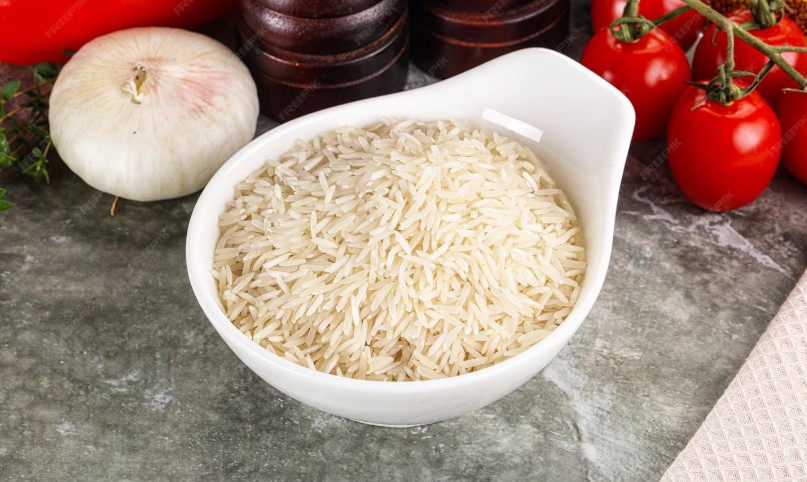
Known for its long grains and fragrant aroma, basmati rice is widely used in premium dishes. Wholesalers handle both traditional and aged basmati varieties.
2. Non-Basmati Rice
Non-basmati rice is used for daily consumption and includes several varieties like long-grain, medium-grain, and short-grain rice.
3. Parboiled Rice
Parboiled rice is partially cooked in the husk before milling. It is preferred for its nutritional benefits and firmer texture after cooking.
4. Brown Rice
Brown rice retains its bran layer, making it richer in fiber and nutrients. Many health-conscious consumers prefer brown rice.
5. Organic Rice
Organic rice is grown without synthetic pesticides or fertilizers. Rice wholesalers like DRRK Foods are increasingly focusing on eco-friendly sourcing practices.
Why Businesses Prefer Buying from Rice Wholesalers
Purchasing rice through rice wholesalers offers several benefits for businesses:
1. Cost Efficiency
Buying in bulk reduces per-unit costs significantly. Retailers and food service businesses save money by purchasing from wholesalers instead of retail outlets.
2. Consistent Supply
Wholesalers maintain large inventories, ensuring uninterrupted supply even during high-demand seasons.
3. Quality Assurance
Established wholesalers have quality control systems in place. Businesses get consistent grain quality, packaging, and hygiene standards.
4. Time Savings
Instead of negotiating with multiple suppliers, businesses can rely on a single trusted wholesaler like DRRK Foods for all their rice needs.
How DRRK Foods Supports the Rice Wholesale Market
DRRK Foods is committed to excellence in the rice wholesale industry. Our operations are designed to deliver value, quality, and reliability to our customers.
Key strengths of DRRK Foods include:
-
Strict Quality Checks: Every batch of rice undergoes quality inspection before distribution.
-
Advanced Storage Facilities: Modern warehouses help maintain the freshness and purity of rice.
-
Wide Product Range: We offer multiple rice varieties to meet diverse customer requirements.
-
Efficient Distribution Network: Timely delivery ensures our clients never face stock shortages.
-
Customer-Centric Approach: We tailor bulk orders and packaging according to business needs.
By partnering with dependable rice wholesalers like DRRK Foods, businesses gain access to a stable and premium rice supply.
Challenges Faced by Rice Wholesalers
The rice wholesale market also faces several challenges that affect pricing, availability, and quality:
1. Price Fluctuations
Rice prices often change due to weather conditions, crop yield, and market demand. Rice wholesalers must manage inventory carefully to stabilize supply.
2. Storage Risks
Improper storage can lead to moisture buildup, pest infestation, and quality degradation. This is why professional storage systems are essential.
3. Transportation Issues
Delays in logistics can affect delivery schedules. Reputed wholesalers like DRRK Foods prioritize reliable dispatch systems.
4. Quality Variations
Differences in soil, climate, and farming practices can affect rice quality. Wholesalers address this by sourcing from trusted and verified suppliers.
How to Choose the Right Rice Wholesalers
If you are a business looking for reliable rice wholesalers, here are some important factors to consider:
1. Reputation and Experience
Choose wholesalers with a proven track record and positive customer feedback.
2. Product Quality
Ask for samples and quality certifications to ensure the rice meets your standards.
3. Storage and Handling
A good wholesaler should follow proper storage and hygiene practices.
4. Pricing and Payment Terms
Transparent pricing and flexible payment options make long-term partnerships easier.
5. Customer Support
Reliable after-sales support helps resolve issues quickly.
DRRK Foods meets all these criteria by offering consistent quality, professional service, and customer-focused solutions.
Future Trends in the Rice Wholesale Market
The rice wholesale market is evolving with changing consumer demands and technological advancements. Some key trends include:
1. Growing Demand for Organic Rice
Health-conscious consumers are increasing the demand for chemical-free rice varieties.
2. Sustainable Packaging
Eco-friendly packaging solutions are becoming popular among rice wholesalers.
3. Digital Ordering Systems
Many wholesalers are adopting online platforms for easy bulk ordering and tracking.
4. Export Market Expansion
Rice wholesalers are exploring international markets to meet global demand.
At DRRK Foods, we continuously innovate to stay aligned with these trends, ensuring better service and product quality for our clients.
Conclusion
The rice wholesale market plays a vital role in ensuring that rice reaches millions of households, restaurants, and businesses efficiently and consistently. Rice wholesalers act as the backbone of this system, connecting farmers to markets and maintaining quality at every stage of the supply chain.
What Are The Different Types of Basmati Rice? Varieties, Colors & Characteristics. Understanding how this market works helps businesses make informed sourcing decisions and build reliable supply partnerships. Working with trusted rice wholesalers like DRRK Foods ensures access to premium quality rice, stable pricing, and dependable delivery.
As the demand for rice continues to grow, the role of professional rice wholesalers will become even more important. By choosing the right partner, businesses can enhance their operations, satisfy their customers, and ensure long-term growth.