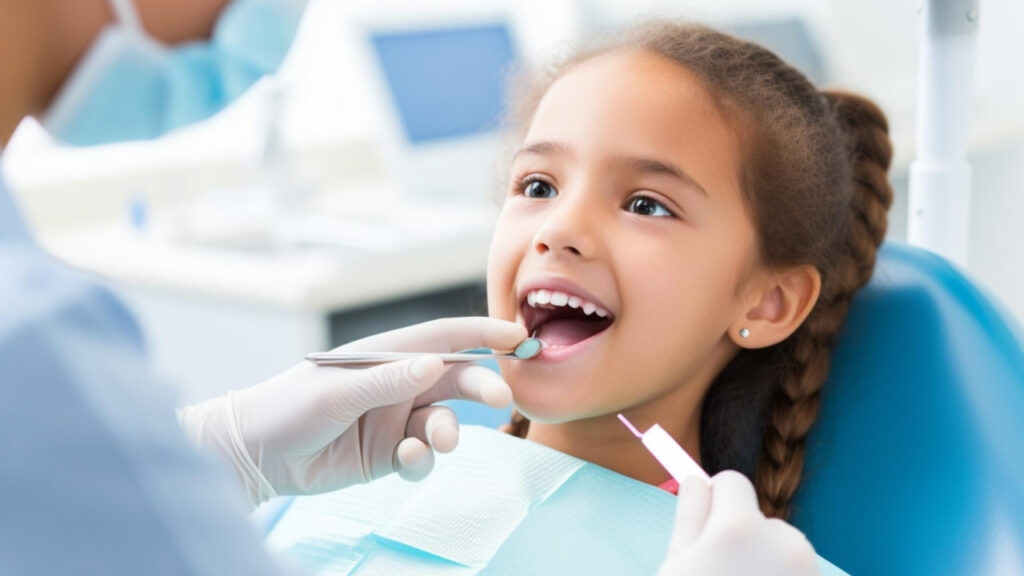

Every parent wants to see their child grow up with a bright, healthy smile. Good oral hygiene begins early, and the habits children develop during their formative years often stay with them for life. Establishing simple daily routines can significantly reduce the risk of cavities, gum problems, and other dental issues while supporting proper jaw and tooth development.
If you’re looking for expert Kid’s Dental Care in Sakkardara, understanding these daily habits can help you protect your child’s smile from an early age. From proper brushing techniques to regular dental visits, small lifestyle changes can make a big difference in your child’s overall oral health.
In this blog, we’ll discuss seven essential habits that contribute to lifelong kids’ oral health and explain why early dental care plays a crucial role in maintaining healthy teeth and gums.
Why Children’s Oral Health Matters
Many parents believe that baby teeth are temporary and therefore less important. However, healthy primary teeth play a vital role in your child’s development.
Healthy teeth help children:
- Chew food properly
- Speak clearly
- Maintain space for permanent teeth
- Develop confidence while smiling
- Support proper jaw growth
Neglecting baby teeth care may lead to cavities, pain, infections, and future orthodontic problems.
Professional kids dental care helps ensure that children’s teeth develop properly while preventing common dental issues before they become serious.
Habit 1: Brush Teeth Twice Every Day
One of the most important habits for maintaining child oral hygiene is brushing twice daily.
Children should brush:
- Every morning
- Before bedtime
Use a soft-bristled toothbrush and a fluoride toothpaste appropriate for your child’s age.
Developing proper tooth brushing habits from an early age helps remove plaque, reduce harmful bacteria, and prevent tooth decay.
Parents should supervise brushing until children are able to clean all tooth surfaces effectively on their own.
Habit 2: Floss Once a Day
Brushing alone cannot remove food particles trapped between teeth.
Daily flossing helps:
- Remove plaque between teeth
- Prevent cavities
- Reduce gum inflammation
- Improve overall kids oral health
Parents can begin flossing their child’s teeth once two teeth start touching each other.
Making flossing part of the daily routine supports better long-term oral hygiene.
Habit 3: Limit Sugary Foods and Drinks
Frequent consumption of sugary snacks increases the risk of tooth decay.
Foods that commonly contribute to cavities include:
- Candies
- Chocolates
- Sticky sweets
- Soft drinks
- Sweetened juices
Instead, encourage healthier alternatives such as:
- Fresh fruits
- Cheese
- Yogurt
- Nuts (if age appropriate)
- Crunchy vegetables
A balanced diet supports healthy smile development and reduces the chances of dental problems.
Habit 4: Drink Plenty of Water
Water is one of the simplest ways to maintain healthy teeth.
It helps:
- Wash away food particles
- Reduce bacterial buildup
- Neutralize acids
- Keep the mouth hydrated
Drinking fluoridated water, where available, can also contribute to stronger teeth and improved pediatric oral health.
Encouraging children to drink water instead of sugary beverages is an excellent habit for lifelong dental health.
Habit 5: Never Skip Regular Dental Check-Ups
Routine dental visits allow dentists to identify problems before they become serious.
Regular early dental visits help detect:
- Cavities
- Bite issues
- Gum problems
- Tooth eruption concerns
- Oral habits that affect dental development
Preventive care is one of the cornerstones of pediatric dentistry.
At Dr Kalamkar’s welldent, regular dental examinations help monitor children’s oral development and provide timely guidance for parents to maintain healthy smiles.
Habit 6: Protect Teeth During Sports and Play
Children who participate in sports are at a greater risk of dental injuries.
Wearing a custom-fitted mouthguard during contact sports helps protect against:
- Broken teeth
- Chipped teeth
- Lip injuries
- Jaw injuries
Protecting teeth during physical activities contributes to long-term kids dental care and reduces the likelihood of emergency dental treatment.
Habit 7: Follow Preventive Dental Treatments
Preventive dentistry plays an important role in reducing future dental problems.
Depending on your child’s needs, your dentist may recommend:
Fluoride Treatment for Children
Fluoride treatment for children helps strengthen tooth enamel and reduce the risk of cavities.
This simple preventive procedure is especially beneficial for children who are more prone to tooth decay.
Dental Sealants
Dental sealants are thin protective coatings applied to the chewing surfaces of molars.
They help:
- Prevent food particles from getting trapped
- Reduce plaque accumulation
- Lower cavity risk
Sealants are commonly recommended as part of preventive children’s dental treatment.
The Importance of Baby Teeth Care
Primary teeth may eventually fall out, but they serve several important functions.
Proper baby teeth care helps:
- Guide permanent teeth into position
- Support normal speech development
- Maintain healthy chewing function
- Prevent pain and infections
Ignoring cavities in baby teeth can affect the health of developing permanent teeth underneath.
Milk Teeth Care Is More Important Than Many Parents Realize
Good milk teeth care helps establish a strong foundation for lifelong oral health.
Healthy milk teeth:
- Preserve space for permanent teeth
- Support facial development
- Encourage proper nutrition
- Reduce the need for complex dental treatment later
Parents should begin cleaning their baby’s mouth even before the first tooth appears and continue developing healthy oral hygiene habits as more teeth erupt.
Creating Positive Dental Experiences
Some children feel nervous about visiting the dentist.
Parents can make dental visits more enjoyable by:
- Speaking positively about dental care
- Reading children’s books about dental visits
- Scheduling appointments at convenient times
- Praising children after appointments
At Dr Kalamkar’s welldent, creating a child-friendly environment helps reduce anxiety and encourages children to develop a positive attitude toward dental care from an early age.
Signs Your Child May Need a Dental Check-Up
Even when children follow good oral hygiene habits, regular dental examinations remain essential. Some dental problems develop without causing pain in the early stages, making professional check-ups important.
Parents should schedule a dental visit if they notice:
- Tooth pain or sensitivity
- Bleeding gums while brushing
- White or brown spots on the teeth
- Persistent bad breath
- Difficulty chewing
- Loose or damaged teeth
- Delayed eruption of permanent teeth
- Thumb-sucking habits that continue beyond the recommended age
Early diagnosis allows dental problems to be treated before they become more serious and supports better pediatric dental care.
Common Mistakes Parents Should Avoid
Many dental problems in children result from simple habits that can easily be corrected.
Allowing Children to Sleep with a Bottle
Putting a child to bed with milk or juice can increase the risk of tooth decay, especially in younger children. Water is the safest bedtime drink after brushing.
Brushing Too Quickly
Many children brush for only a few seconds. Encourage brushing for at least two minutes to ensure all tooth surfaces are cleaned properly.
Skipping Flossing
Plaque often builds up between teeth where toothbrushes cannot reach. Daily flossing is an important part of child oral hygiene.
Waiting Until Pain Develops
Dental visits should not be postponed until a child experiences discomfort. Preventive care is much more effective than treating advanced dental problems.
How Pediatric Dentistry Supports Healthy Growth
Pediatric dentistry focuses on the oral health needs of infants, children, and adolescents.
A pediatric dental team helps monitor:
- Tooth eruption patterns
- Jaw development
- Bite alignment
- Oral hygiene habits
- Cavity risk
- Preventive care needs
Regular dental assessments ensure that any concerns are identified early, allowing children to receive the right care at the right time.
At Dr Kalamkar’s welldent, every child receives personalized dental care based on their age, oral health condition, and developmental needs. This individualized approach helps build healthy habits while promoting long-term oral wellness.
The Importance of Preventive Care
Preventive dentistry helps reduce the need for extensive dental procedures later in life.
Some preventive measures include:
- Professional dental cleanings
- Fluoride treatment for children
- Dental sealants
- Routine oral examinations
- Dietary guidance
- Oral hygiene education
These treatments play an important role in cavity prevention for kids and contribute to healthier smiles as children grow.
Encouraging Good Oral Hygiene at Home
Parents have a major influence on their child’s dental habits.
Here are a few practical tips:
- Brush together as a family.
- Let children choose a colorful toothbrush.
- Use a timer or play a two-minute song while brushing.
- Reward consistency with praise instead of sugary treats.
- Replace toothbrushes every three months or sooner if the bristles become worn.
Making oral hygiene enjoyable encourages children to develop lifelong healthy habits.
Long-Term Benefits of Healthy Dental Habits
Developing good oral hygiene habits during childhood offers benefits that extend well into adulthood.
Healthy daily routines help:
- Reduce the risk of cavities
- Protect gums from disease
- Promote proper jaw development
- Maintain strong permanent teeth
- Improve self-confidence
- Encourage better overall health
Consistent kids dental care also reduces the likelihood of requiring extensive dental treatment later in life.
Why Early Dental Visits Are Essential
Many parents wait until their child experiences a dental problem before scheduling an appointment.
However, early dental visits offer several advantages:
- Monitoring tooth development
- Identifying cavities early
- Preventing future oral problems
- Educating parents about home care
- Building confidence during dental appointments
Children who become familiar with the dental environment at an early age often experience less anxiety during future visits.
At Dr Kalamkar’s welldent, preventive dental care focuses on creating positive experiences while helping children develop healthy oral habits that last a lifetime.
Building a Lifetime of Healthy Smiles
Teaching children healthy habits today lays the foundation for strong teeth and gums tomorrow.
Simple daily routines such as:
- Brushing twice a day
- Flossing regularly
- Eating a balanced diet
- Drinking plenty of water
- Visiting the dentist routinely
can make a remarkable difference in their long-term oral health.
When parents and dental professionals work together, children are more likely to maintain healthy smiles throughout their lives.
Final Thoughts
Good oral health begins with small daily habits that become lifelong routines. By encouraging proper brushing, flossing, healthy eating, regular hydration, and preventive dental visits, parents can help protect their child’s teeth from cavities and support healthy oral development. Seeking professional Kid’s Dental Care in Sakkardara ensures that children receive timely preventive care, expert guidance, and personalized treatment that promotes long-term kids oral health.
From baby teeth care and milk teeth care to fluoride treatment for children, dental sealants, and regular early dental visits, every step contributes to a healthier smile. Building strong tooth brushing habits and maintaining excellent child oral hygiene not only supports healthy smile development but also reduces the risk of future dental problems. Dr Kalamkar’s welldent is dedicated to providing compassionate pediatric dental care that helps children enjoy healthy, confident smiles for years to come.
Frequently Asked Questions (FAQs)
1. When should my child have their first dental visit?
Most dentists recommend scheduling the first dental visit by the child’s first birthday or within six months after the first tooth appears.
2. Why are baby teeth important if they eventually fall out?
Baby teeth care is essential because primary teeth help with chewing, speech development, proper jaw growth, and guiding permanent teeth into their correct positions.
3. What are dental sealants, and why are they recommended?
Dental sealants are protective coatings applied to the chewing surfaces of molars to reduce the risk of cavities by preventing food and bacteria from collecting in deep grooves.
4. How often should children brush their teeth?
Children should brush twice a day using fluoride toothpaste and follow proper tooth brushing habits under parental supervision until they can brush effectively on their own.
5. How can parents help prevent cavities in children?
Maintaining good child oral hygiene, limiting sugary snacks, encouraging regular brushing and flossing, scheduling routine dental check-ups, and considering fluoride treatment for children are all effective ways to support cavity prevention for kids.