
Choosing a roofing system is an important decision for any construction project. The roof must provide protection from the elements while also contributing to the building’s appearance, energy performance, and long-term value.
Standing seam metal roofing has become a popular choice for architects and builders who want a combination of modern aesthetics and practical performance. With concealed fixings, customisable panel widths, and a range of metal options, standing seam can be adapted to many residential, commercial, and architectural applications.
Here are seven key benefits of considering standing seam roofing for your next project.
1. Modern and Minimalist Design
Standing seam roofing is recognised for its clean, structured appearance. The raised seams create long, consistent lines that can complement both modern and traditional architectural styles.
Because the fixing system is concealed, the visible surface remains relatively uninterrupted. This makes the system particularly attractive for buildings where the roof is an important part of the overall architectural design.
The panel widths can also be customised to suit the dimensions and proportions of a particular building.
2. Concealed Fixing System
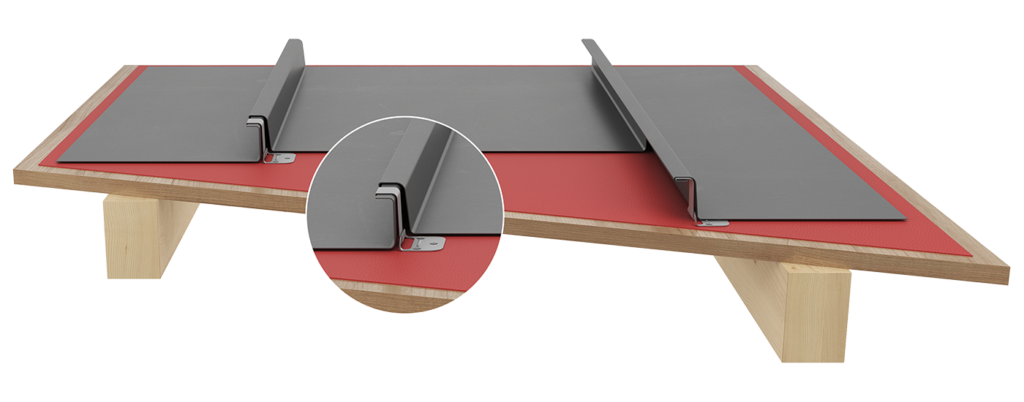
Traditional roofing systems may have visible fasteners that affect the appearance of the roof. Standing seam systems use concealed stainless-steel clips to secure the panels.
Fixed and sliding clips can be incorporated into the system to accommodate the natural expansion and contraction that occurs with changes in temperature.
This helps preserve the clean architectural appearance of the roof while providing a practical approach to panel installation.
3. Excellent Design Flexibility
Every building has different design requirements. Standing seam can be adapted to a variety of architectural forms and configurations.
Depending on the material and application, panels can be arranged horizontally, vertically, diagonally, or in curved configurations. The system can also accommodate tapered, convex, and concave designs.
This flexibility can be particularly useful for architects designing distinctive residential façades, commercial buildings, and complex architectural structures.
If you are comparing different systems, Roofing Group also offers Flat-lock Panels and Nailstrip solutions for projects with specific architectural requirements.
4. Suitable for Roofing and Wall Cladding
Standing seam is not limited to roof applications. The system can also be used for architectural wall cladding.
Double-lock standing seam is designed for roofing applications, while single-lock standing seam can be used for wall cladding. Wall panels can be installed in different directions, helping designers create a variety of visual effects.
Using the same architectural language across the roof and façade can create a cohesive appearance throughout the building.
5. Wide Range of Materials
Standing seam systems can be manufactured using several different metals. Roofing Group offers options including zinc, copper, aluminium, COLORBOND®, and Corten.
Each material has different characteristics and creates a distinct architectural appearance.
For example, zinc develops a natural protective patina over time, while copper gradually changes colour as it weathers. Aluminium offers a lightweight solution, and COLORBOND® provides a wide range of colour choices. Corten is known for its distinctive weathered appearance.
Selecting the right material should be based on the project’s design requirements, environmental conditions, technical specifications, and expected performance.
6. Reduced Material Waste
Customisable panel widths can help improve material efficiency by allowing the system to be designed around the dimensions of a project.
Roofing Group notes that standing seam systems can offer economical installation through minimal material wastage. Careful planning and accurate manufacturing are especially important when working on complex roof shapes or projects with multiple penetrations.
A well-designed system can help optimise material use while maintaining the desired architectural appearance.
7. Long-Term Architectural Appeal
A roof is one of the most visible parts of a building, so its appearance can have a significant impact on the property’s overall character.
Standing seam offers a timeless appearance that can work across different architectural styles. Depending on the selected material, the roof may retain a consistent finish or naturally develop a patina as it ages.
This combination of durability, design flexibility, and architectural character makes standing seam an option worth considering for projects where both performance and appearance matter.
What Should You Consider Before Choosing Standing Seam?
Before specifying a standing seam system, several technical factors should be considered. These include the selected metal, roof pitch, substrate, underlay, ventilation, panel dimensions, fixing method, and project-specific environmental conditions.
Roofing Group’s technical information specifies a minimum 3-degree pitch for roofing applications. The company also provides requirements for substrates, breathable waterproofing membranes, fixing clips, and ventilation, depending on the selected material and application.
Because every building is different, it is important to work with experienced roofing professionals and consider the project’s technical requirements during the design stage.
Explore Other Architectural Roofing Options
Standing seam is one of several architectural roofing and cladding systems available for modern construction projects.
Depending on your design requirements, you may also want to explore Interlocking Panels, Cassette systems, Shingles, Batten Seam, and Snaplock/Astro systems.
Each system offers different visual and technical characteristics, so comparing options early in the design process can help you identify the best solution.
Conclusion
Standing seam roofing provides architects and builders with a versatile solution that combines clean design, concealed fixings, customisable panels, and multiple material choices.
Whether used on a contemporary home, commercial building, or complex architectural project, the system can help create a distinctive roof or façade while supporting the functional requirements of modern construction.
To explore materials, technical specifications, and applications, visit the Roofing Group Standing Seam page. For a broader overview of available solutions, browse the Roofing Group architectural roofing and cladding products.