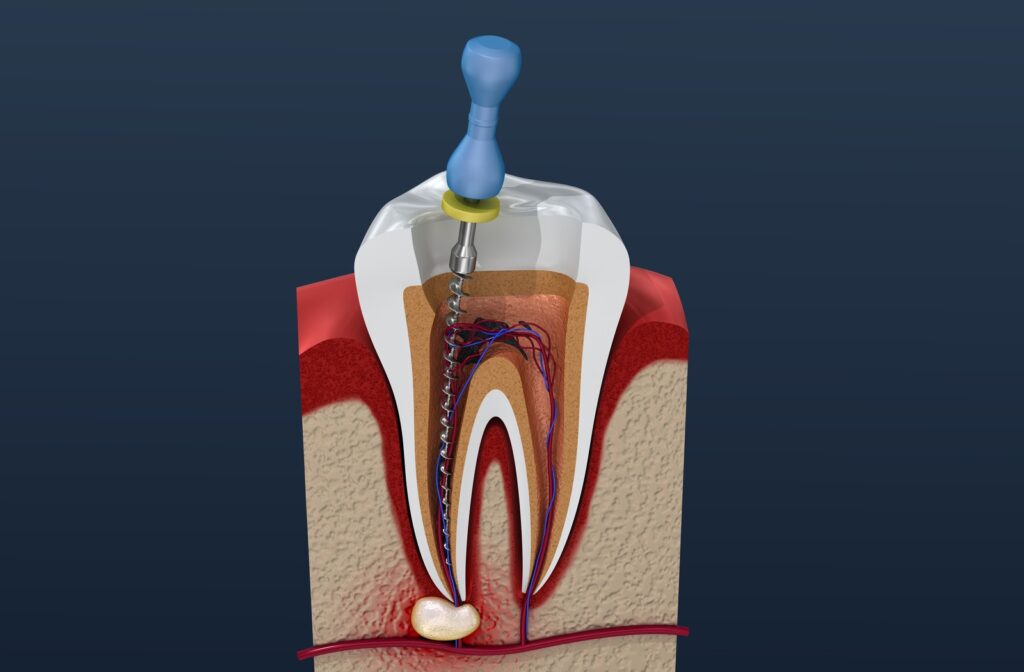

Tooth pain has a habit of being ignored until it’s impossible to. But by the time pain becomes constant, the underlying problem has often progressed significantly. Catching the warning signs early can mean a simpler, faster treatment — and a better chance of saving the tooth entirely.
Here are ten signs worth paying attention to.
1. Pain That Lingers After Hot or Cold
A quick reaction to ice cream or hot tea is normal. But if the sensitivity lingers for 30 seconds or more after the stimulus is gone, it often signals deeper nerve involvement rather than simple sensitivity.
2. Pain When Chewing or Biting Down
Sharp pain specifically when applying pressure — biting into food, clenching, or even just touching the tooth — can indicate inflammation has spread beyond the enamel into the inner pulp.
3. Swelling Around a Specific Tooth
Localised swelling in the gums near one tooth, rather than general gum irritation, often points to an infection brewing beneath the surface that needs prompt attention.
4. A Small Bump on the Gum
Sometimes called a “gum boil,” a small pimple-like bump near the base of a tooth can indicate a draining abscess. It may come and go, but its presence usually means infection is active.
5. Tooth Discoloration
A tooth that’s turned grey, dark yellow, or noticeably different in shade from its neighbours often means the internal pulp has died or is severely damaged, even without obvious pain.
6. Persistent, Throbbing Pain
Unlike the sharp, brief discomfort of sensitivity, a constant dull ache or rhythmic throbbing — sometimes worse at night — is one of the clearer signs of toothache treatment being necessary sooner rather than later.
7. Pain That Radiates to the Jaw or Ear
Tooth infections don’t always stay localised. Pain that spreads toward the jaw, ear, or even up toward the temple can be a sign of a more advanced infection requiring prompt evaluation.
8. A Loose Tooth Without Injury
If a tooth feels slightly loose without any recent trauma, it can indicate that infection has affected the supporting bone structure around the root.
9. Recurring Pimple-Like Bumps After Treatment
If you’ve had previous dental work on a tooth and a similar bump or discomfort returns, it may mean the original treatment didn’t fully resolve the infection.
10. Sudden, Severe Tooth Pain Out of Nowhere
Sometimes the first sign is sudden and intense — a wave of severe tooth pain relief becomes the immediate priority, often signalling that the pulp has become acutely inflamed or infected.
Why Early Detection Matters So Much
Catching these signs early often means treatment is simpler, faster, and more comfortable. Once infection spreads significantly, additional steps — like managing an abscess before the root canal itself — can extend treatment time and complexity.
A quick comparison of outcomes by timing:
- Caught early: typically one to two straightforward visits
- Caught late: may require abscess drainage, antibiotics, and a longer treatment window
- Ignored entirely: risk of tooth loss and infection spreading to surrounding structures
What to Do If You Notice These Signs
If any of these symptoms sound familiar, the next step is straightforward:
- Book a consultation rather than waiting to see if it resolves on its own
- Avoid chewing on the affected side in the meantime
- Don’t rely solely on painkillers as a long-term fix — they mask symptoms without addressing the cause
- Get an X-ray to confirm the extent of the issue before it worsens
Finding Care Quickly
Searching for RCT treatment in dombivli as soon as symptoms appear, rather than after weeks of discomfort, generally leads to a smoother treatment experience and a better long-term outcome for the tooth.
Choosing the Right Clinic
Look for a clinic with proper diagnostic imaging and a clear explanation of findings before any treatment begins. A best dentist in dombivli experienced in endodontic cases will typically walk you through exactly what the X-ray shows and why a particular treatment path is recommended.
If you’re unsure whether your symptoms specifically point to needing a root canal versus a simpler fix, the next part of this series covers when toothache or sensitivity means you need a root canal in more detail.
Frequently Asked Questions
1. Can a tooth infection go away without treatment?
No, pulp infections don’t resolve on their own and typically worsen over time without professional treatment.
2. Is lingering sensitivity always a sign of needing a root canal?
Not always, but lingering pain after hot or cold exposure is one of the more reliable indicators worth getting checked.
3. How quickly should I see a dentist after noticing these signs?
Ideally within a few days, especially if you notice swelling, a gum bump, or persistent throbbing pain.
4. Can these symptoms appear without any visible cavity?
Yes, infection can develop beneath old fillings or through small cracks that aren’t visible without an X-ray.
5. What happens if I ignore these warning signs?
The infection can spread, potentially leading to abscess formation, bone loss, and eventually loss of the tooth itself.
Final Thoughts
Tooth pain rarely shows up without reason, and the signs above are your body’s way of flagging a problem early. Catching them sooner rather than later almost always leads to simpler, less invasive treatment.
Noticing any of these signs? Book a consultation before the problem has a chance to progress further.